fahad Ali Gillani, Founder and writer of Cavallo Black – a platform dedicated to Old Money fashion and timeless dressing. Connect with me on LinkedIn
Introduction
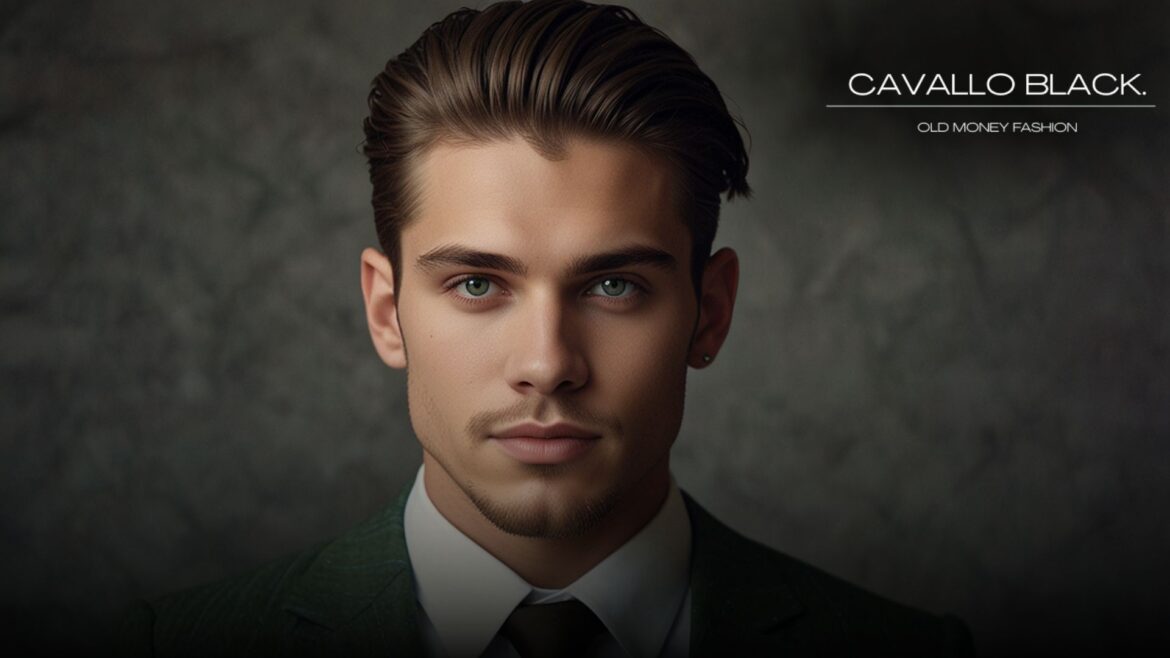
Old money hairstyles shift with every season, yet some never fade from the spotlight. One of these is the old money hairstyle—a cut that values refinement, precision, and subtle elegance over showy trends. As 2025 unfolds, more men are returning to timeless looks that reflect heritage and quiet luxury. Whether you are based in the US, UK, Europe, or Asia, these styles communicate a sense of confidence and sophistication that is relevant across cultures.
In this guide, we’ll break down the defining features of old money hairstyles, highlight their timeless appeal, and show you how to make them work for your lifestyle today.
The Philosophy Behind Old Money Hairstyles

Unlike modern, experimental trends, old money hairstyles are rooted in discipline and tradition. They symbolize:
-
Simplicity: Clean cuts, polished finishes, and natural textures.
-
Consistency: A look that works in both business and casual settings.
-
Discretion: Avoiding bold or flashy choices in favor of subtle refinement.
These cuts have been passed down through decades of men’s grooming, making them more than just hairstyles—they’re part of a cultural identity tied to elegance and restraint.
Key Characteristics of Old Money Hairstyles
1. Natural Texture and Volume
Instead of chasing artificial styles, these cuts emphasize the natural texture of your hair. A side part, a taper fade, or classic waves can highlight your hair’s flow without heavy products. This gives a neat but effortless appearance.
2. Simplicity and Precision
Precision is the backbone of these hairstyles. A neatly trimmed Ivy League haircut or a classic crew cut looks easy but requires sharp lines and regular upkeep. It’s this neatness that signals refinement without excess effort.
Examples:
-
Ivy League: A polished version of the crew cut, perfect for business professionals.
-
Classic taper: Suitable for both formal and casual settings.
-
Side part: Universally flattering, especially in Europe and the US.
3. Subdued Colors
Old money grooming avoids flashy dyes. Instead, men choose classic browns, soft blacks, sandy blondes, and natural highlights. These shades exude a mature, healthy, and professional appearance.
This choice reflects a mindset: elegance lies in restraint.
4. Iconic Classic Cuts
Some styles never fade because they adapt to any setting:
-
The Slick Back: A Wall Street favorite since the 1920s.
-
The French Crop: Minimal yet sharp, often seen in European-style hubs.
-
Soft Waves: Popular with celebrities in both Hollywood and Asia.
-
Chignon & French Twist (for formal events): Reserved but stylish.
These cuts are still worn by global figures, from London bankers to Dubai entrepreneurs.
Timelessness and Global Appeal
Old money hairstyles are not tied to one region. Across the US, UK, Europe, the Middle East, and Asia, professionals adopt these cuts to project confidence and tradition.
Why do they remain timeless?
-
Universality: They work across different hair textures and face shapes.
-
Adaptability: A slick back can be paired with a business suit or casual wear.
-
Cultural respect: These cuts carry history, connecting modern men to icons like Cary Grant, JFK, and David Beckham.
Understated Elegance in Modern Times
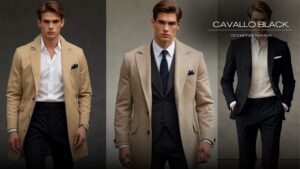
In 2025, TikTok and Instagram trends push flashy styles, but the old money look continues to grow. Why? Because understated elegance speaks louder than loud experiments.
This style projects:
-
Confidence without arrogance
-
Style without chasing every trend
-
A sense of heritage in a modern era
It is particularly popular among professionals in finance, law, and entrepreneurship, where grooming reflects discipline.
How to Maintain Old Money Hairstyles
-
Regular Trims: Every 3–4 weeks to keep the cut sharp.
-
Minimal Products: Light pomades, natural oils, or matte creams. Avoid heavy gels.
-
Healthy Routine: Proper washing, conditioning, and scalp care maintain natural shine.
-
Stylist Selection: Go to a barber who understands classic cuts, not just trendy fades.
Pro Tip: Men in humid regions (like Asia or the Middle East) should opt for lightweight products to maintain neatness in hot weather.
FAQs About Old Money Hairstyles
Q1: What is the most popular old-money haircut in 2025?
The Ivy League haircut and the slick back are the leading choices in the US, UK, and Europe.
Q2: Can old money hairstyles work for younger men?
Yes. Students and young professionals often choose side parts and tapers because they look mature yet stylish.
Q3: Are these hairstyles expensive to maintain?
Not necessarily. They require regular trims but fewer products compared to flashy trends.
Q4: Do old money hairstyles work for Asian and Middle Eastern hair?
Absolutely. Straight or thick hair in these regions adapts well to side parts, crew cuts, and slick backs.
Q5: What face shapes suit these hairstyles best?
-
Round face → side part or Ivy League
-
Square face → taper fade or slick back
-
Oval face → versatile, works with most classic cuts
Conclusion: Why Old Money Hairstyles Still Matter in 2025
Old money hairstyles are more than grooming trends. They reflect a lifestyle built on heritage, refinement, and discipline. In an era where flashy styles dominate social feeds, these cuts remind us that subtlety is power.
Whether you are in New York, London, Paris, Dubai, or Karachi, embracing these hairstyles shows you value timeless elegance over temporary trends.
As fashion keeps shifting, one thing is certain: genuine elegance never goes out of style.
Leave a Reply